


Key Takeaways
Manual data entry errors are common with spreadsheets, leading to inefficiencies.
Real-time access is critical for effective field and office communication.
Automated invoicing through software improves cash flow and reduces errors.
Job management systems offer robust reporting and collaboration tools, essential for business growth.
Key Answer
Is your trade business struggling with outdated spreadsheets? Discover the 7 signs that indicate it’s time to upgrade to job management software for enhanced efficiency and growth.
Starting with spreadsheets is a common stepping stone for many Australian tradies looking to manage their business operations efficiently. However, what initially appears to be an easy and cost-effective solution often evolves into a cumbersome task that impedes growth. As your trade business expands, you’ll notice certain limitations that signify it’s time to shift gears towards more sophisticated solutions like job management software. This move is not just a digital upgrade; it’s a strategic decision that enhances efficiency, productivity, and profitability across your operations. Here, we explore the 7 signs indicating that your trade business has outgrown spreadsheets and why adopting a modern job management system is imperative.
Sign 1: You're Double-Handling Information
The manual entry of data across spreadsheets is an exhausting exercise that breeds errors and miscommunication. In a bustling trade environment, every job detail matters. Double-handling of information, like re-entering customer details or job specifics, not only wastes precious time but significantly heightens the risk of inaccuracies. This can lead to costly mistakes, such as wrong orders or missed deadlines, directly affecting your bottom line. A robust job management software eliminates these pitfalls by streamlining data input and ensuring accuracy from the get-go.
Sign 2: Jobs Are Being Missed or Delayed
Efficient scheduling is the backbone of any successful trade business. Spreadsheets, however, can quickly become a scheduling nightmare as they grow more complex. With multiple jobs to manage, keeping track of timelines and resources manually is not only time-consuming but prone to oversight. Missed or delayed jobs aren’t just about poor time management; they’re about losing clients and damaging your reputation. By adopting a job tracker software, you can automate scheduling, ensuring that no job falls through the cracks and all deadlines are met with precision.
Expert Perspective
Trade Efficiency Consultant
As a professional in the trade industry, the transition to a job management system is not just about adopting new technology but about embracing a comprehensive solution that addresses the multifaceted challenges of a growing business. This change is crucial to stay competitive and deliver exceptional service.
Sign 3: Your Team Lacks Real-Time Access
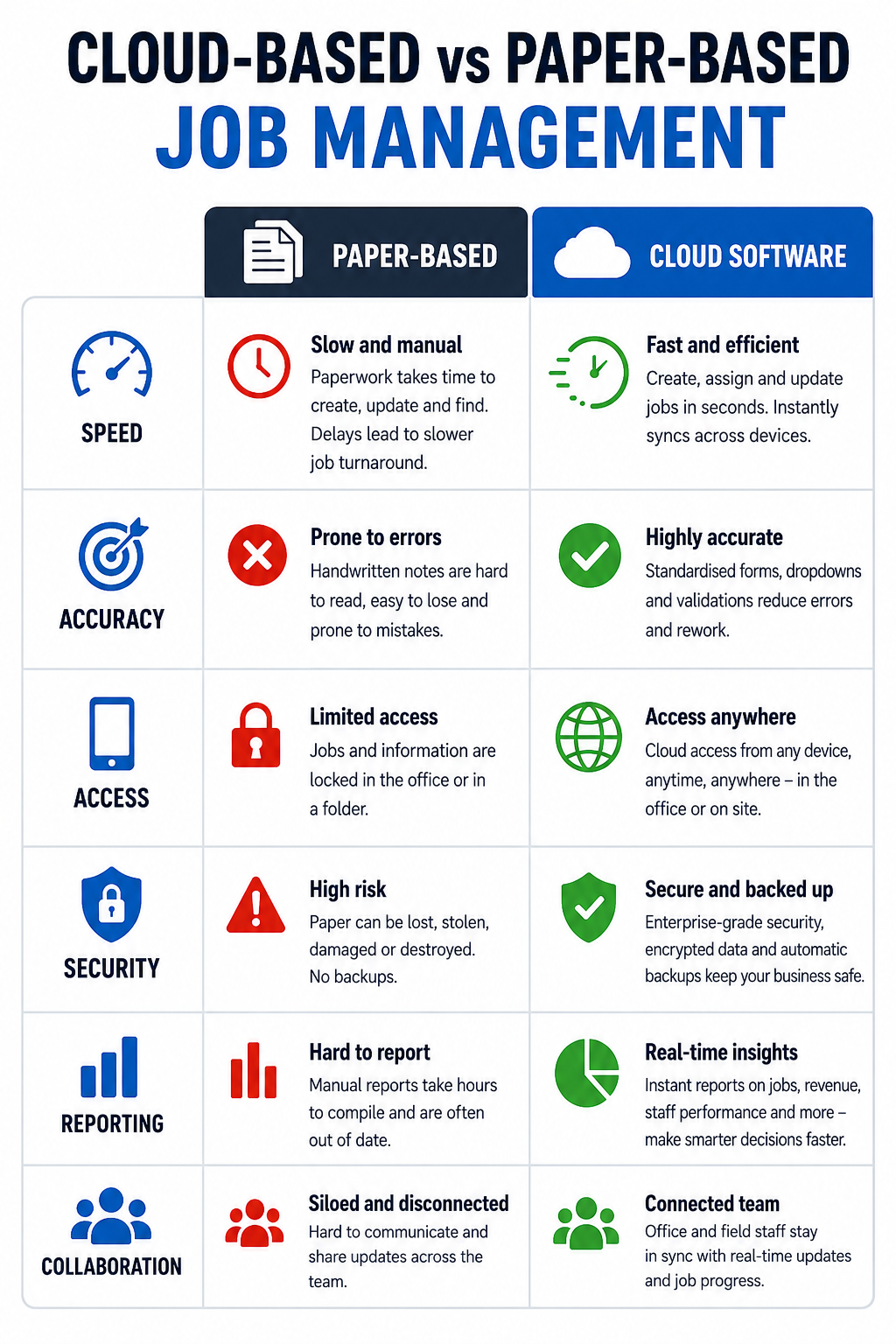
Trade businesses thrive on mobility and rapid communication between the field and the office. Spreadsheets, often locked to a single device, do not provide the real-time updates your team needs. This results in breakdowns in communication, leaving your team guessing about job statuses or updates. A job management system offers real-time access to all job data, enabling seamless communication and efficient coordination between your office staff and tradies in the field. This ensures everyone is on the same page, enhancing both performance and client satisfaction.
Sign 4: Invoicing Takes Too Long
Invoicing is a critical aspect that directly impacts your cash flow. Spreadsheets can bog down the invoicing process, from tracking billable hours to creating and sending invoices. This inefficiency can lead to delayed payments, affecting your financial health. A good tradie software automates invoicing, reducing errors and speeding up the payment process. With integrated billing features, you can ensure your cash flow remains steady, supporting your business’s operational and growth needs.
Sign 5: Reporting Is Limited
Accurate reporting is essential for strategic decision-making in a trade business. Spreadsheets often provide limited insights, requiring manual compilation of data to track business performance. This not only consumes valuable time but can also lead to incomplete or inaccurate reporting. A modern job management system offers comprehensive reporting capabilities, giving you real-time insights into your business metrics and helping you make informed decisions that drive growth and profitability.
Sign 6: Collaboration Is Becoming Difficult
As your team grows, spreadsheets fail to scale, causing collaboration hurdles. It’s challenging to share spreadsheets effectively among multiple users without version conflicts, leading to inefficiencies and frustration. Job management software facilitates seamless collaboration, allowing multiple users to access and update information simultaneously without the risk of data conflicts. This scalability ensures that your team operates smoothly, even as your business expands.
Sign 7: Your Business Is Growing Faster Than Your Systems
Rapid growth is a positive indicator of success, but when your systems can’t keep up, it becomes a bottleneck. Spreadsheets are not designed to handle the dynamic needs of a growing trade business. As your project volume and complexity increase, outdated systems can slow you down and prevent you from capitalising on new opportunities. Transitioning to a job management system equips you with the tools to manage growth effectively, ensuring your business stays agile and competitive.
Next Steps
It’s clear that spreadsheets, while useful in the early stages of your business, can hinder long-term success. By switching to job management software, you not only streamline operations but also gain valuable insights that support sustainable growth. Don’t let outdated tools hold back your potential.Explore the pricing of i4T Business – Job Management Software here. today to discover how you can transform your trade business operations, enhance client satisfaction, and boost profitability.
Frequently Asked Questions
Switching to job management software streamlines operations, reduces errors, improves communication, and enhances profitability by automating key processes.
Using spreadsheets can lead to data errors, inefficient processes, missed opportunities, and can hinder your business growth due to lack of scalability and real-time access.
Job management software improves cash flow by automating invoicing processes, ensuring timely payments, and reducing errors that lead to payment delays.
Yes, job management software scales with your business, allowing seamless collaboration and efficient information sharing among team members.
Most job management software, including i4T Business, offers user-friendly interfaces and support to ease the transition, making it a smooth process for all users.